This is a reference guide, not legal or financial advice. The descriptions below explain what these documents are and how they are structured in Croatia. For advice on a specific project or investment decision, consult a qualified professional.
The main document types explained
Each document type in a Croatian construction project has a specific purpose and a defined structure. Here is what you need to know about each one.
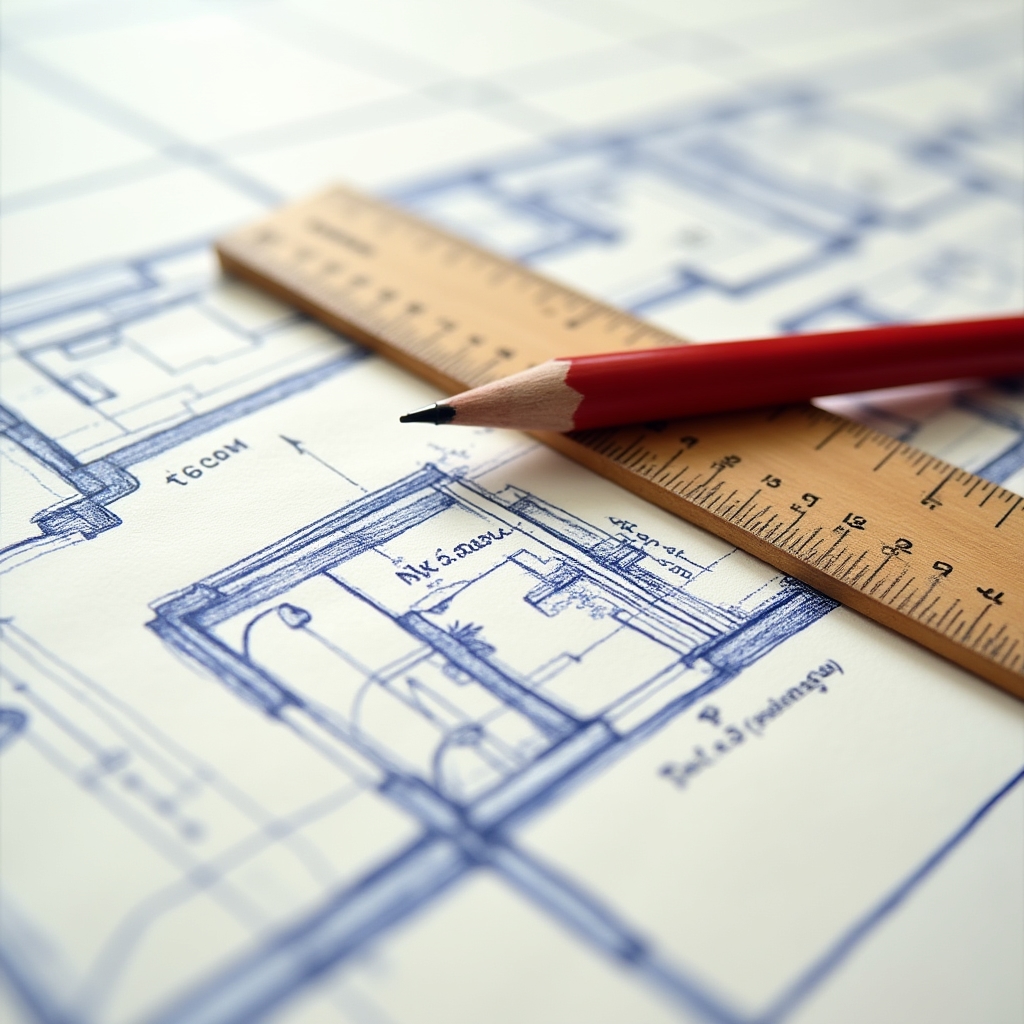
Tlocrt — Floor Plan
A horizontal cross-section through the building showing the layout of rooms, walls, doors, windows, and fixed elements. Each floor has its own plan. Key things to check: room labels match what is described in marketing materials; dimensions are shown and add up correctly; the plan is stamped by a licensed architect and bears a drawing number and revision mark.
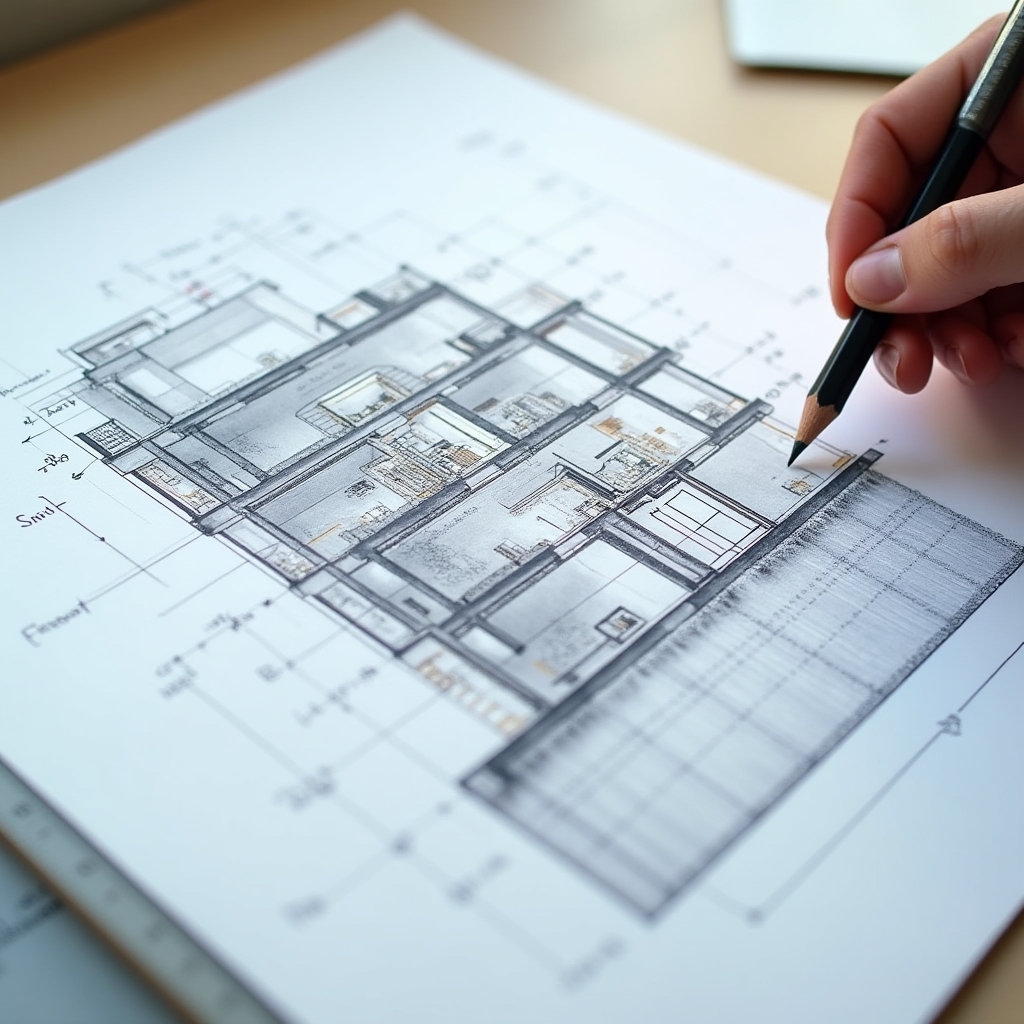
Presjek — Cross-Section
A vertical cut through the building showing the relationship between floors, ceiling heights, floor construction thicknesses, and structural elements. Cross-sections reveal information that floor plans cannot show: actual clear heights, staircase geometry, and how the building sits on its foundations. Check that ceiling heights match what is stated in the project description.

Tablica površina — Area Table
A tabular summary of the areas of all spaces in the building, typically broken down by floor and unit. Croatian construction practice distinguishes between neto korisna površina (net usable area) and bruto površina (gross floor area). The difference is significant: marketing materials sometimes use gross figures while contracts refer to net. Cross-reference the table against the floor plans to verify the figures.

Građevinska dozvola — Building Permit
The administrative decision issued by the relevant Croatian authority (usually the county administrative office or the State Administration Office) authorising construction. It references the main design by volume and drawing number, lists any conditions that must be satisfied before or during construction, and has a validity period (typically three years, extendable). Verify the permit is current, that the project it references matches the drawings you have been shown, and that any listed conditions have been addressed.
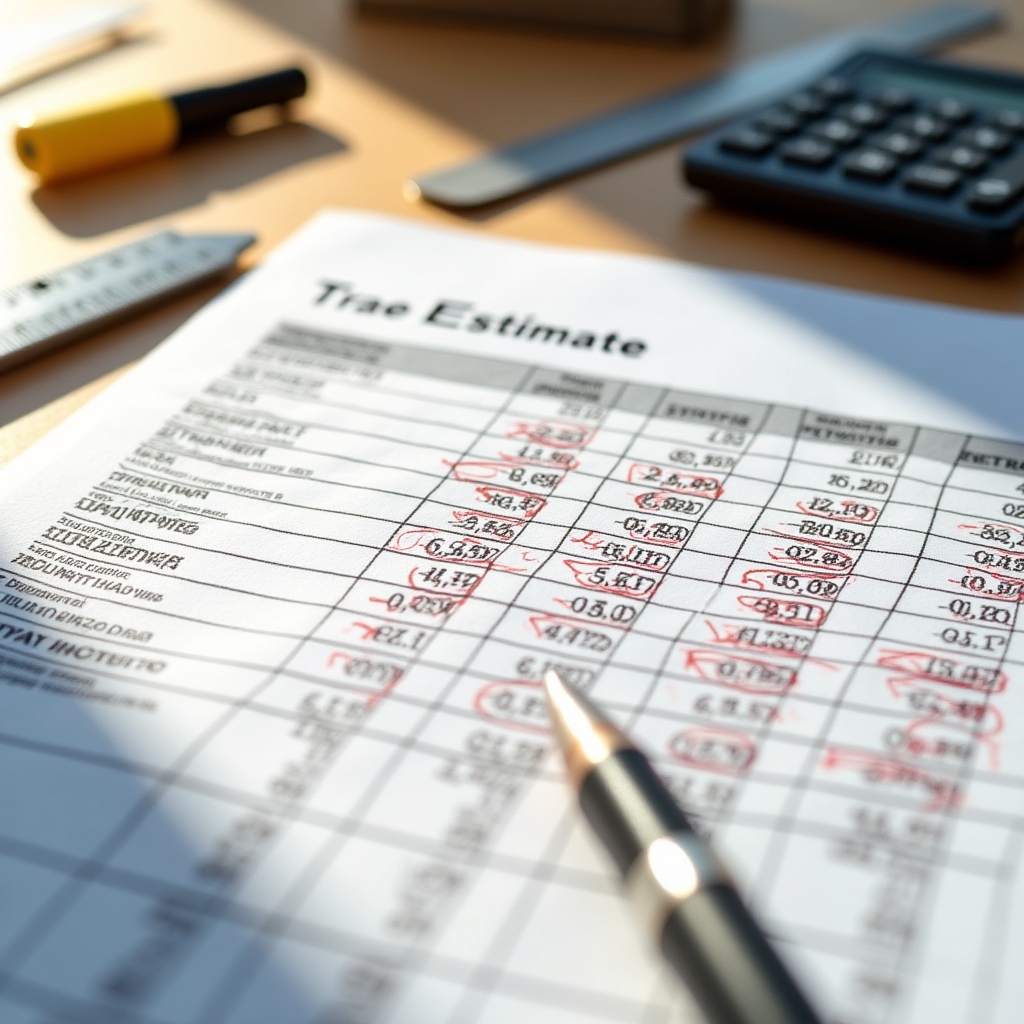
Troškovnik — Cost Estimate
An itemised breakdown of the expected construction costs, organised by trade (earthworks, concrete works, masonry, carpentry, plumbing, electrical, finishing, etc.). A well-prepared cost estimate includes unit descriptions, quantities, unit prices, and totals for each item. Red flags: a single total figure with no breakdown; unit prices significantly below current market rates; categories missing entirely (e.g., no line items for finishing works in a residential project).

Projektna dokumentacija — Project Package
The complete set of documents for a construction project. A full main design (glavni projekt) consists of multiple volumes: the architectural volume, the structural engineering volume, and volumes for each building services discipline. In a credible project, these volumes are numbered, dated, and stamped. The existence of a complete, stamped project package is one of the clearest indicators that a project is at an advanced stage of preparation.